Introduzione
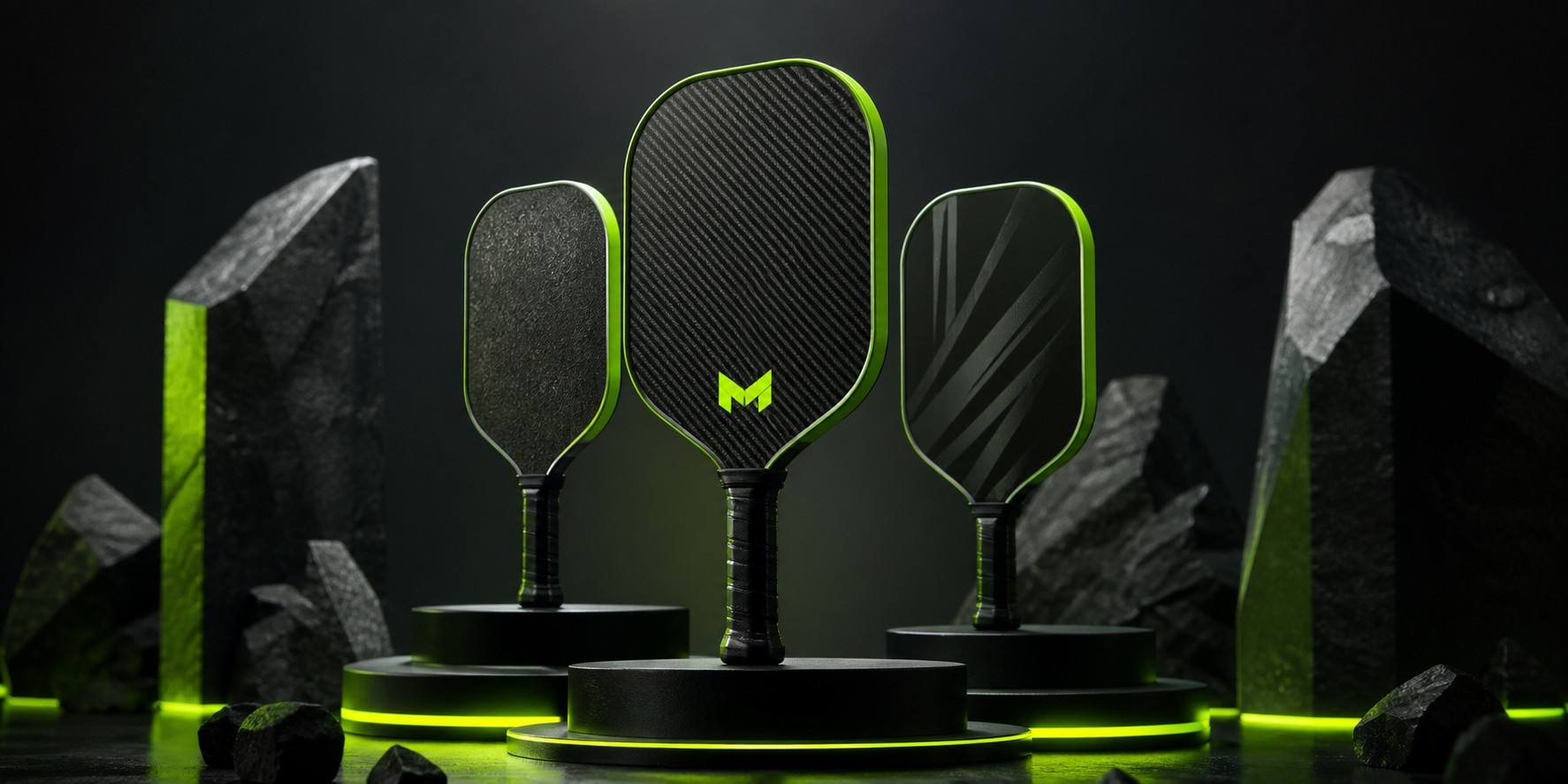
A well-structured Pickleball Paddle Product Line is the foundation of long-term brand growth, far more than a single best-selling model. As competition in the pickleball market intensifies, success depends on how intelligently a brand architects its range. Companies that scale effectively build tiered product families supported by reliable manufacturing and clear market positioning. For B2B buyers, product strategy and supplier capability must evolve together, and every decision from material sourcing to packaging should reinforce a coherent Pickleball Paddle Product Line.
Indice
- Introduzione
- L'importanza della struttura della linea di prodotti nel pickleball
- La selezione dei materiali come decisione strategica
- Personalizzazione senza eccessive complicazioni
- Gestire la coerenza della qualità attraverso le fasi di crescita
- Il ruolo dei partner di produzione nella crescita del marchio
- Scaling Production to Match Market Demand
- Pricing Strategy and Margin Protection
- Supplier Due Diligence Before You Scale
- Conclusione
L'importanza della struttura della linea di prodotti nel pickleball
A well-planned pickleball paddle lineup allows brands to serve multiple customer segments while maintaining operational efficiency. Rather than relying on one universal model, scalable brands develop tiered product ranges aligned with performance and price expectations. A disciplined Pickleball Paddle Product Line also protects margins, because premium tiers absorb research and development costs while high-volume tiers drive revenue.
I livelli di prodotto più comuni includono:
- Pagaie entry-level per giocatori amatoriali
- Modelli di fascia media per giocatori abituali e in via di perfezionamento
- Pagaie performanti per utenti competitivi
This structure enables broader market coverage without overcomplicating inventory management, and it gives distributors a clear story to tell at every price point.
La selezione dei materiali come decisione strategica
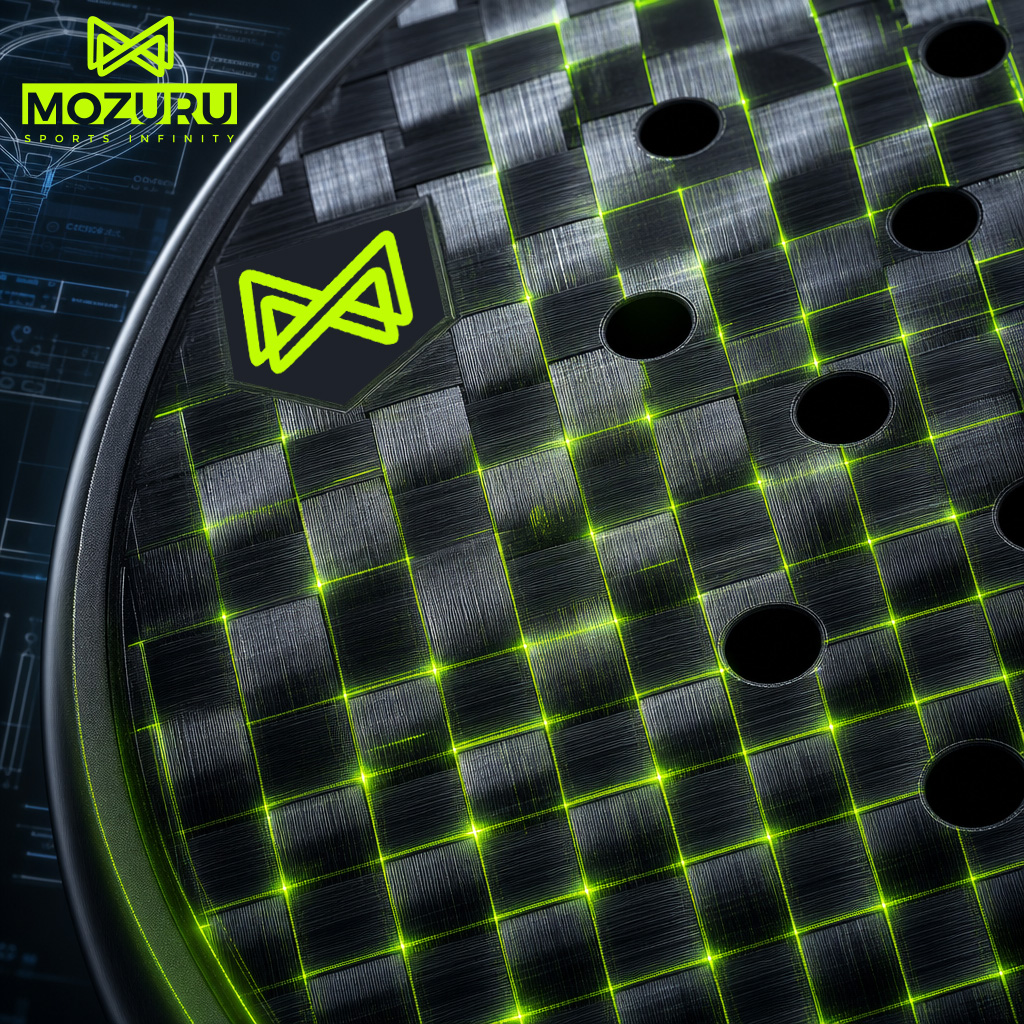
La scelta dei materiali influenza direttamente sia le prestazioni del prodotto che i costi di produzione. Dal punto di vista del B2B, la selezione dei materiali non riguarda solo la giocabilità, ma anche la consistenza, la stabilità dell'approvvigionamento e l'efficienza della produzione.
Le considerazioni strategiche includono:
- Bilanciamento di costi e durata per SKU ad alto volume
- Differenziare i modelli premium grazie ai materiali compositi avanzati
- Mantenere la disponibilità dei materiali per evitare interruzioni delle forniture.
Brands that align material strategy with manufacturing capabilities gain a clear competitive advantage, and each material upgrade becomes a deliberate step within the wider Pickleball Paddle Product Line.
Personalizzazione senza eccessive complicazioni

Customization is essential for brand differentiation, but excessive complexity can increase lead times and costs. Successful B2B brands focus on controlled customization, selecting specific elements that create distinction while preserving manufacturing efficiency.
Le aree di personalizzazione efficaci spesso includono:
- Finitura e struttura della superficie della paletta
- Progettazione grafica e sistemi di colore
- Lunghezza dell'impugnatura e specifiche della presa
- Elementi di packaging e branding
This approach ensures visual and functional differentiation without sacrificing scalability, keeping every model recognizable as part of the same Pickleball Paddle Product Line.
Gestire la coerenza della qualità attraverso le fasi di crescita
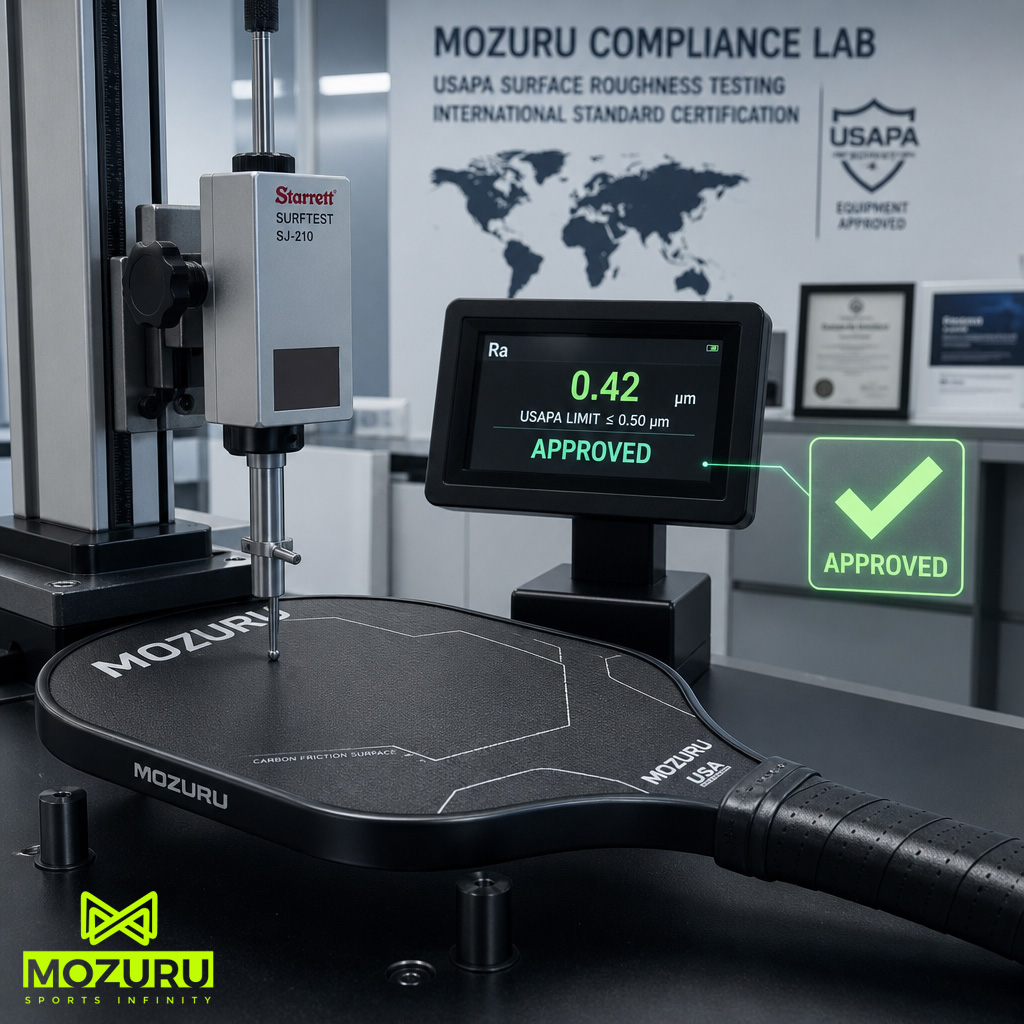
Con l'aumento del volume degli ordini, il mantenimento della coerenza dei prodotti diventa fondamentale. Piccole variazioni di peso, bilanciamento o finitura superficiale possono avere un impatto sulla credibilità del marchio, soprattutto per i clienti abituali.
I marchi che scalano con successo lavorano a stretto contatto con i produttori per implementarli:
- Specifiche di prodotto definite
- Monitoraggio della qualità a livello di lotto
- Chiari standard di tolleranza delle prestazioni
These controls help ensure stable quality from initial launch through long-term expansion, so customers receive dependable performance at every tier of the Pickleball Paddle Product Line.
Il ruolo dei partner di produzione nella crescita del marchio
Un partner di produzione capace contribuisce più della capacità di produzione. Fornisce approfondimenti sul comportamento dei materiali, sull'ottimizzazione dei processi e sulla fattibilità dei prodotti, aiutando i marchi a perfezionare i progetti prima del lancio sul mercato.
Collaborando fin dalle prime fasi dello sviluppo, i marchi possono:
- Ridurre le costose revisioni
- Riduzione dei tempi di commercializzazione
- Migliorare l'affidabilità complessiva del prodotto
This partnership-driven approach supports sustainable growth rather than short-term wins, and it keeps a Pickleball Paddle Product Line aligned with evolving player preferences and regulatory expectations.
Scaling Production to Match Market Demand
The global pickleball boom has pushed many brands from niche launches to high-volume production within just a few seasons. Scaling responsibly means forecasting demand realistically, investing in tooling that supports future SKUs, and confirming that a manufacturing partner can absorb growth without stretching lead times. Aligning a roadmap with recognized benchmarks, such as the equipment standards published by USA Pickleball, also signals credibility to retailers and players alike.
Planning capacity early reduces the risk of stockouts during peak seasons, when demand for a fast-moving Pickleball Paddle Product Line can double within a single quarter.
Pricing Strategy and Margin Protection
A tiered range only works when pricing reflects genuine differences in performance, materials, and brand positioning. Mapping cost structures against retail price points lets brands protect margins while keeping each tier accessible to its target segment.
Retailers respond best when the value story is obvious: entry paddles compete on durability and price, mid-tier models on balance and control, and premium models on spin, power, and finish quality. Presenting that logic clearly across a Pickleball Paddle Product Line makes the entire range easier to sell and repeat.
Supplier Due Diligence Before You Scale
Growth exposes weaknesses in even well-run supply chains, so due diligence should happen before order volumes rise, not after problems appear. Auditing a factory's process controls, capacity planning, and communication standards early prevents expensive surprises later. Our guide to the most common pickleball OEM partner red flags walks through the warning signs that quietly derail scaling brands.
Conclusione
Costruire un marchio scalabile di racchette da pickleball richiede molto di più che identificare la domanda del mercato. Richiede una pianificazione strutturata dei prodotti, una personalizzazione controllata e un partner di produzione allineato con gli obiettivi a lungo termine.
For B2B buyers, choosing the right manufacturing strategy is a decisive factor in turning product ideas into consistent, market-ready solutions, and a well-designed Pickleball Paddle Product Line is what turns a single successful launch into a durable, profitable brand.