Introduktion
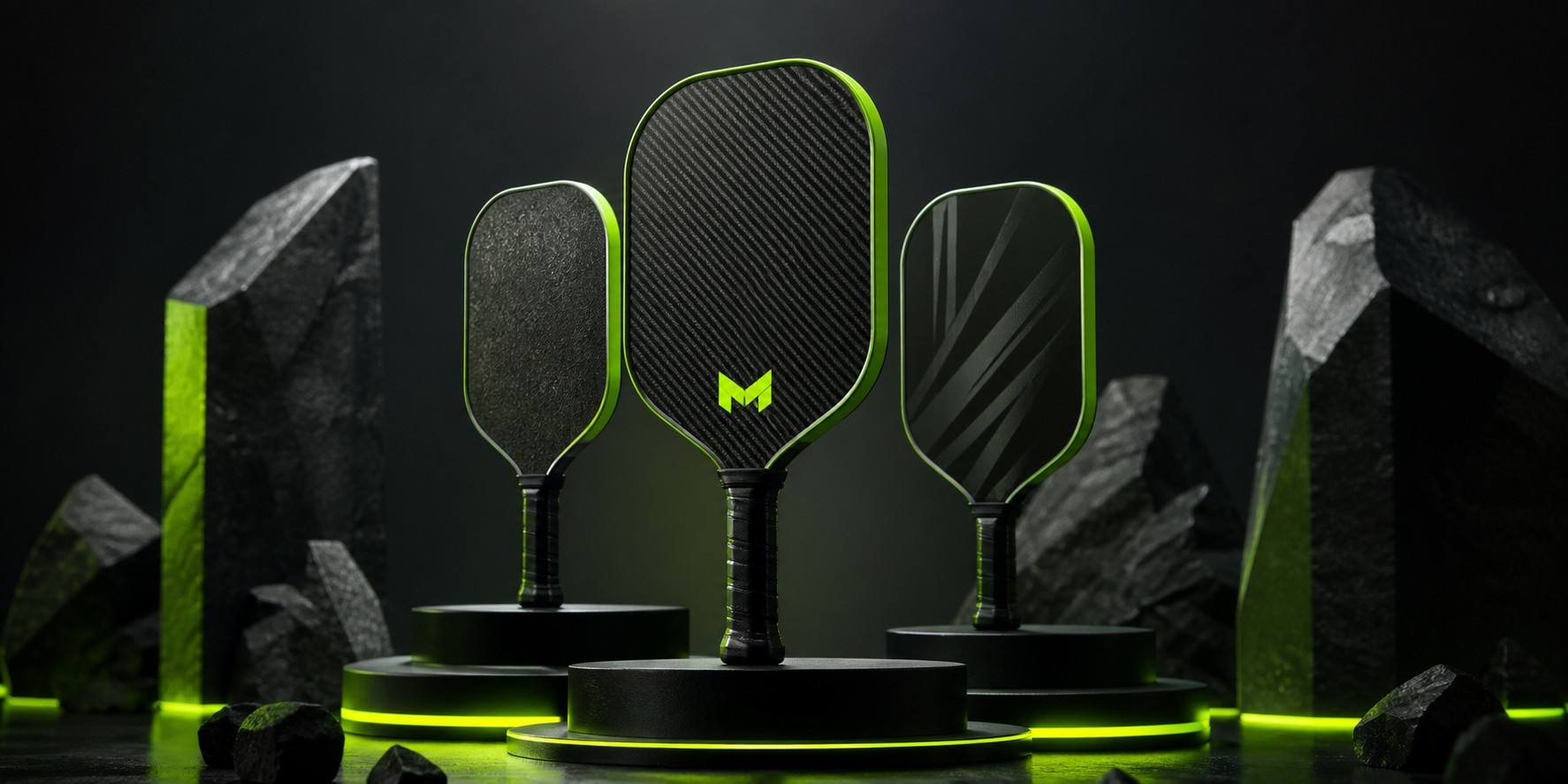
A well-structured Pickleball Paddle Product Line is the foundation of long-term brand growth, far more than a single best-selling model. As competition in the pickleball market intensifies, success depends on how intelligently a brand architects its range. Companies that scale effectively build tiered product families supported by reliable manufacturing and clear market positioning. For B2B buyers, product strategy and supplier capability must evolve together, and every decision from material sourcing to packaging should reinforce a coherent Pickleball Paddle Product Line.
Indholdsfortegnelse
- Introduktion
- The Importance of Product Line Structure in Pickleball
- Material Selection as a Strategic Decision
- Customization Without Overcomplication
- Managing Quality Consistency Across Growth Stages
- The Role of Manufacturing Partners in Brand Growth
- Scaling Production to Match Market Demand
- Pricing Strategy and Margin Protection
- Supplier Due Diligence Before You Scale
- Konklusion
The Importance of Product Line Structure in Pickleball
A well-planned pickleball paddle lineup allows brands to serve multiple customer segments while maintaining operational efficiency. Rather than relying on one universal model, scalable brands develop tiered product ranges aligned with performance and price expectations. A disciplined Pickleball Paddle Product Line also protects margins, because premium tiers absorb research and development costs while high-volume tiers drive revenue.
Common product tiers include:
- Entry-level paddles for recreational players
- Mid-range models for regular and improving players
- Performance-driven paddles for competitive users
This structure enables broader market coverage without overcomplicating inventory management, and it gives distributors a clear story to tell at every price point.
Material Selection as a Strategic Decision
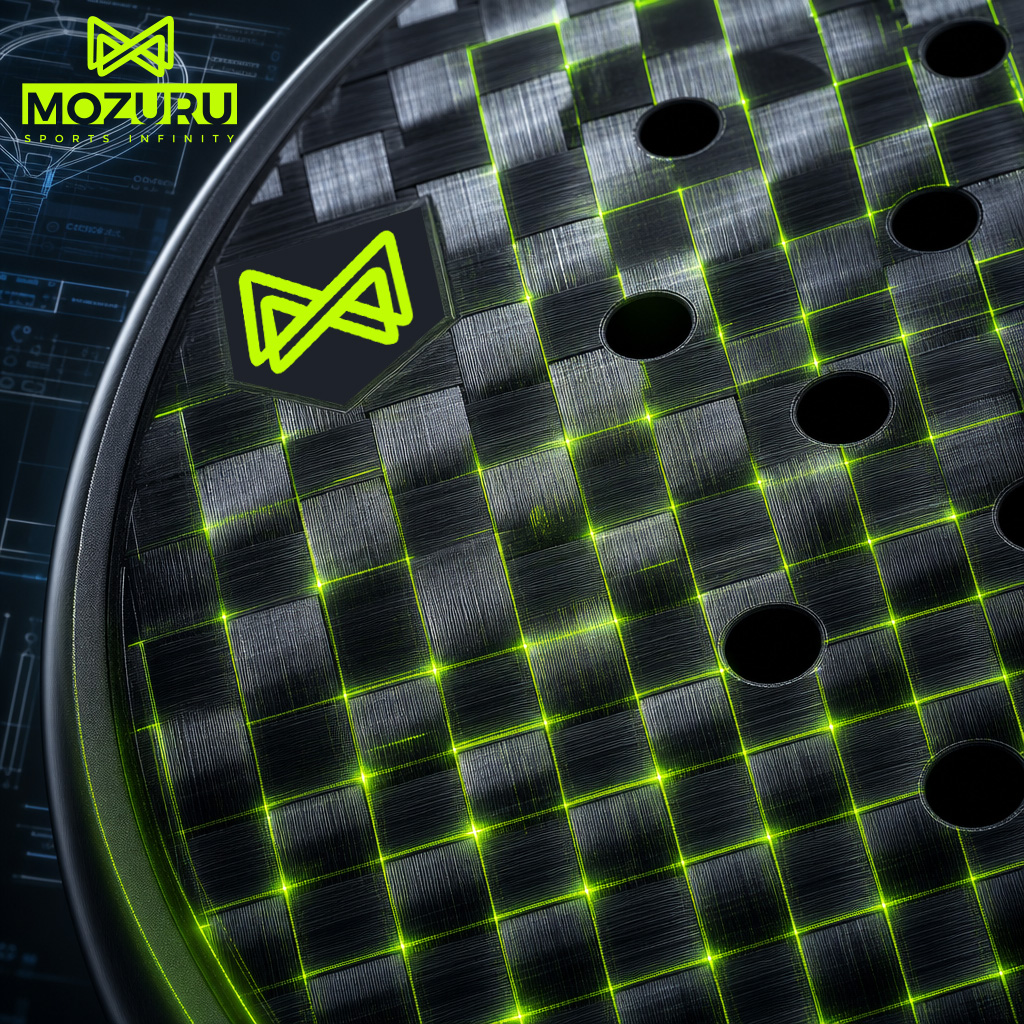
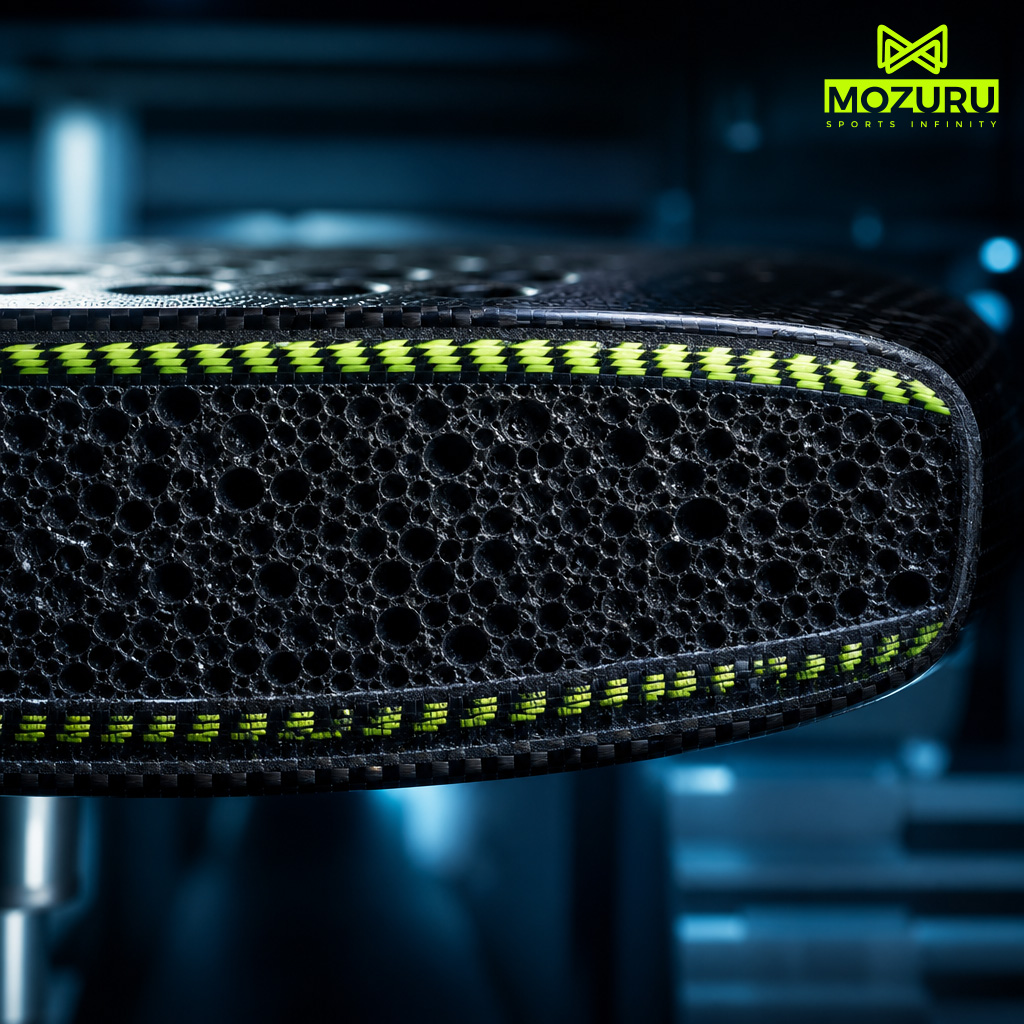
Material choices directly influence both product performance and manufacturing costs. From a B2B perspective, selecting materials is not only about playability but also about consistency, sourcing stability, and production efficiency.
Strategic considerations include:
- Balancing cost and durability for high-volume SKUs
- Differentiating premium models through advanced composites
- Maintaining material availability to avoid supply disruptions
Brands that align material strategy with manufacturing capabilities gain a clear competitive advantage, and each material upgrade becomes a deliberate step within the wider Pickleball Paddle Product Line.
Customization Without Overcomplication

Customization is essential for brand differentiation, but excessive complexity can increase lead times and costs. Successful B2B brands focus on controlled customization, selecting specific elements that create distinction while preserving manufacturing efficiency.
Effective customization areas often include:
- Paddle surface finish and texture
- Graphic design and color systems
- Handle length and grip specifications
- Packaging and branding elements
This approach ensures visual and functional differentiation without sacrificing scalability, keeping every model recognizable as part of the same Pickleball Paddle Product Line.
Managing Quality Consistency Across Growth Stages
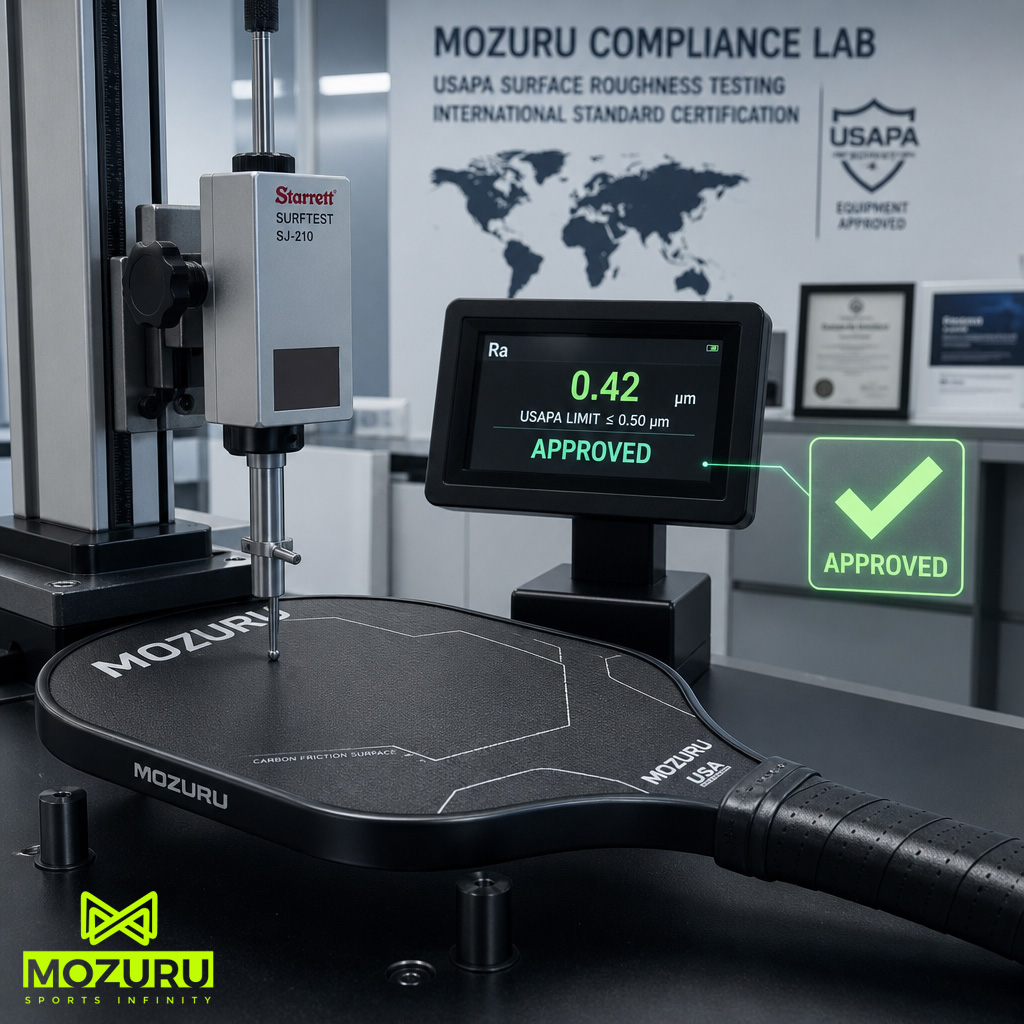
As order volumes increase, maintaining product consistency becomes critical. Minor variations in weight, balance, or surface finish can impact brand credibility, especially for repeat customers.
Brands that scale successfully work closely with manufacturers to implement:
- Defined product specifications
- Batch-level quality monitoring
- Clear performance tolerance standards
These controls help ensure stable quality from initial launch through long-term expansion, so customers receive dependable performance at every tier of the Pickleball Paddle Product Line.
The Role of Manufacturing Partners in Brand Growth
A capable manufacturing partner contributes more than production capacity. They provide insights into material behavior, process optimization, and product feasibility, helping brands refine designs before market launch.
By collaborating early in development, brands can:
- Reduce costly revisions
- Shorten time to market
- Improve overall product reliability
This partnership-driven approach supports sustainable growth rather than short-term wins, and it keeps a Pickleball Paddle Product Line aligned with evolving player preferences and regulatory expectations.
Scaling Production to Match Market Demand
The global pickleball boom has pushed many brands from niche launches to high-volume production within just a few seasons. Scaling responsibly means forecasting demand realistically, investing in tooling that supports future SKUs, and confirming that a manufacturing partner can absorb growth without stretching lead times. Aligning a roadmap with recognized benchmarks, such as the equipment standards published by USA Pickleball, also signals credibility to retailers and players alike.
Planning capacity early reduces the risk of stockouts during peak seasons, when demand for a fast-moving Pickleball Paddle Product Line can double within a single quarter.
Pricing Strategy and Margin Protection
A tiered range only works when pricing reflects genuine differences in performance, materials, and brand positioning. Mapping cost structures against retail price points lets brands protect margins while keeping each tier accessible to its target segment.
Retailers respond best when the value story is obvious: entry paddles compete on durability and price, mid-tier models on balance and control, and premium models on spin, power, and finish quality. Presenting that logic clearly across a Pickleball Paddle Product Line makes the entire range easier to sell and repeat.
Supplier Due Diligence Before You Scale
Growth exposes weaknesses in even well-run supply chains, so due diligence should happen before order volumes rise, not after problems appear. Auditing a factory's process controls, capacity planning, and communication standards early prevents expensive surprises later. Our guide to the most common pickleball OEM partner red flags walks through the warning signs that quietly derail scaling brands.
Konklusion
Building a scalable pickleball paddle brand requires more than identifying market demand. It demands structured product planning, controlled customization, and a manufacturing partner aligned with long-term objectives.
For B2B buyers, choosing the right manufacturing strategy is a decisive factor in turning product ideas into consistent, market-ready solutions, and a well-designed Pickleball Paddle Product Line is what turns a single successful launch into a durable, profitable brand.